Sherpa-Lined Poncho Towels: Premium Positioning and Care Instructions
Sherpa-lined poncho towels aren’t “cute beachwear.” They’re a wearable thermal product with compliance, margin, and care-label landmines—if you want premium, you have to earn it.
Warmth sells. But the second you slap “premium” onto a sherpa-lined poncho towel without backing it up in GSM, stitch density, lining behavior after 20 washes, and the boring stuff (care labels, claims substantiation, packaging execution), you’re not building a brand—you’re building a return stream, a customer-service script, and a quiet margin leak that procurement will eventually “fix” by switching suppliers. Want that?
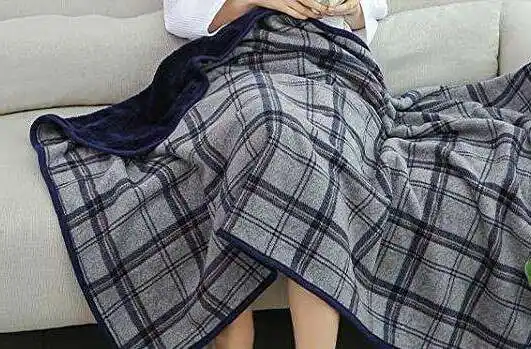
I’m going to be blunt: a poncho towel is not a towel category, it’s a use-case category. Privacy. Warmth. Changing. Post-surf wind chill. And the shopper—adult or teen—doesn’t care about your mood-board copy if the hood droops, the lining mats, or the garment smells like wet dog on day three.
So here’s how premium actually works, and how you keep it looking premium after the wash.
Table of Contents
Premium positioning is a spec sheet, not a vibe
Short truth. Premium positioning in sherpa-lined poncho towel land is mostly a procurement decision disguised as marketing: you’re buying warmth-per-dollar, hand-feel, print durability, and “does it look expensive on a hanger and on a hook,” then you’re adding packaging and proof (certs, labeling discipline) to justify a higher price band. Why do brands keep pretending it’s only about design?
Here’s the insider map I use when I’m sanity-checking “premium beach poncho towel” claims:
Thermal story you can measure: outer fabric GSM + inner sherpa GSM, plus loft retention after laundering (even a crude before/after thickness check beats vibes).
Comfort engineering: hood pattern (depth + drape), sleeve openings, side seam length, pocket reinforcement, binding quality at high-friction edges.
Failure-mode management: pilling, lint transfer, odor retention, shrink/skew, color crocking on prints.
Retail readiness: barcode placement, hangtag durability, polybag spec, insert cards, fold method. This is where “[premium]” becomes real in-store.
If you’re building a range, don’t guess—route shoppers by use-case and climate. Your own catalog architecture already hints at the right ladder: start with the dedicated Sherpa-Lined Poncho Towels and then offer alternatives for lighter needs via Microfiber Poncho Towels and Terry Poncho Towels.
The sherpa lining “comfort tax” and why it bites brands
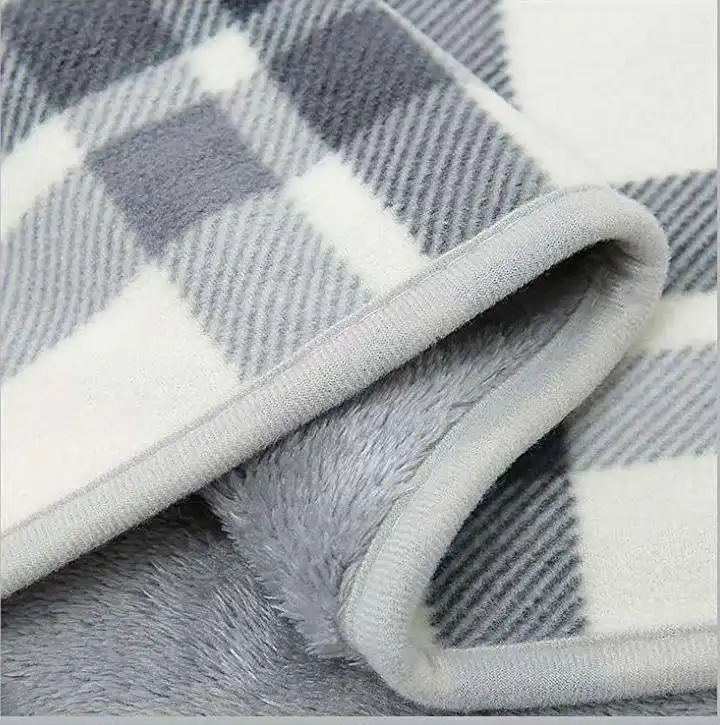
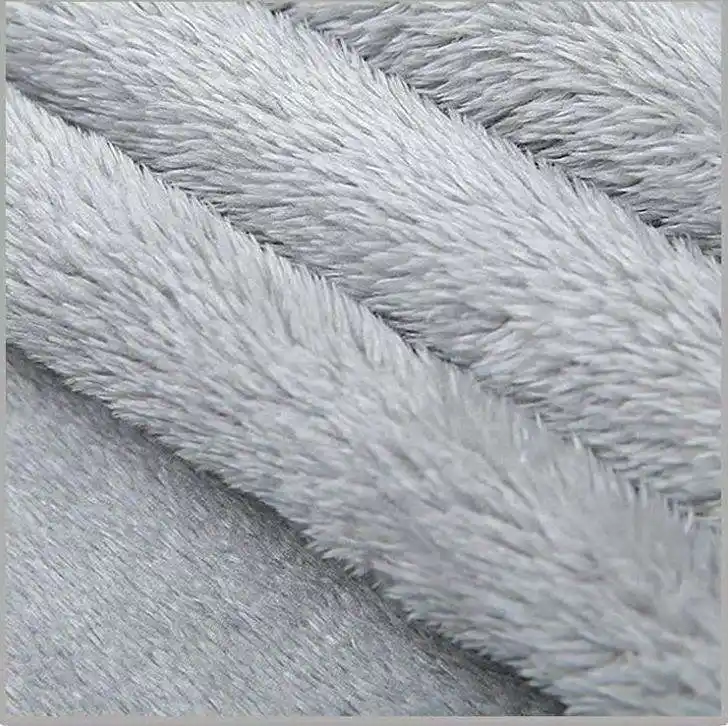
Three words: Lint costs money. Sherpa lining (typically polyester pile—PET) feels luxe fast, but it comes with a predictable set of complaints: fuzzing, static, lint transfer onto dark swimwear, and the dreaded “it looks worn after two washes” review. Why would you pay more to create new problems?
You still do it because sherpa is a warmth multiplier. You’re selling the moment—post-surf, parking lot wind, boat deck chill. And in that moment, cotton terry can feel cold; microfiber can feel clammy; sherpa feels like relief.
Hard truth: premium sherpa-lined changing robes often win not because they’re “soft,” but because they’re forgiving—they hide goosebumps, they block wind, they create a private changing bubble.
If you want the category term that converts, call the use-case directly: surf changing poncho / sherpa-lined changing robe. People search for the problem they have, not the textile you love.
Claims, compliance, and why “premium” can become a legal headache
Quick warning. Premium brands love claims—origin claims, sustainability claims, “eco” language, the whole stack. That’s exactly where regulators and plaintiffs’ lawyers go shopping.
If you’re tempted to lean on origin for premium pricing, read what happened to Williams-Sonoma: the U.S. FTC hit the company with a multi-million dollar civil penalty over “Made in USA” claims, with conduct spanning 2022–2023 and enforcement landing in 2024. The lesson isn’t “don’t market.” It’s: don’t market what you can’t prove at SKU level—especially when you’re scaling across factories, trims, and packaging.
And sustainability claims are tightening globally; the European Commission is explicitly targeting misleading environmental claims as a policy focus. If you’re selling into the EU/UK, the “say less, document more” approach wins.
So what’s the premium-safe play?
Use verifiable standards (OEKO-TEX® STANDARD 100, GOTS, GRS) and keep the paperwork aligned with the exact fiber mix and colorways. Your own Sustainability documentation path is the right direction because buyers want proof, not adjectives.
Keep origin and fiber language disciplined (and consistent across hangtag, product page, and carton marks).
Build the business process: approvals, QC checkpoints, packaging control. That’s what your OEM & ODM services workflow should exist to enforce.
Care instructions are margin protection (and yes, they’re also compliance)
Returns are brutal. A sherpa-lined poncho towel that looks “matted” after wash turns into a reputation tax, because customers call it “cheap” even when the fabric cost was high and the build is strong. Would you rather spend $0.08 on a better care card now, or $8–$15 per return later?
Also: care labels aren’t optional in many markets. They’re part of the product’s truthfulness regime (and the FTC has made clear that textile labeling is an enforcement domain).
My no-drama washing protocol (sherpa-lined, microfiber, terry)
For sherpa-lined poncho towels (polyester sherpa inside + printed outer):
Wash temperature: 30°C / 86°F, gentle cycle.
Detergent: mild; skip optical brighteners if your prints are sensitive.
No fabric softener: it leaves residue, reduces absorbency, and can change hand-feel over time (that “waxy” complaint).
Zip/close fasteners: reduce abrasion and pilling.
Drying: line-dry if possible; otherwise tumble low. Polyester pile hates high heat (it can glaze, flatten, and feel plastic-y).
Do not iron sherpa: heat + pile = regret.
For microfiber poncho towels (quick-dry, sand-shedding builds):
Cold or warm wash (30–40°C), gentle.
Absolutely avoid softener; microfiber relies on surface structure to “grab” water.
Wash separately from lint-heavy cotton terry so you don’t turn it into a lint magnet.
For cotton terry poncho towels (classic absorbency):
Cold wash on first cycle if you’re worried about dye bleed; then warm wash as needed.
Tumble low/medium; high heat can harden loops and increase shrink.
If you’re doing embroidery-heavy SKUs, flip inside-out to reduce thread abrasion.
Chemical reality check: chlorine bleach (often sodium hypochlorite, NaOCl) will wreck many dyes and can weaken fibers; oxygen bleach (hydrogen peroxide, H₂O₂ based) is usually gentler for color-safe cleaning, but still not “free.” Use care language that matches what the fabric can survive.
The kid-product trap (seriously)
If you ever take the hooded poncho idea into children’s sizing, you’re playing in a higher-risk zone: flammability and product-safety scrutiny. The U.S. Consumer Product Safety Commission issued a 2024 recall of children’s bathrobes due to burn hazard / flammability regulation violations.
That doesn’t mean “don’t sell kids.” It means: treat kids hooded items like regulated apparel, not casual accessories.
What premium looks like in the real world: a comparison table
Surf schools, travel retail, events, festival merch
Terry (cotton) poncho towel
Medium
Medium
Absorbency, “real towel” feel, embroidery friendliness, classic hotel expectations
Shrink/skew, heavy when wet, slower dry
Resort & hotel programs, spa/pool retail, logo-forward corporate gifting
If you want to make this shoppable and internally coherent, bundle it with execution: premium SKUs need premium unboxing. That’s what custom packaging options for premium towels should be doing—making the first impression match the spec.
FAQs
What is a sherpa-lined poncho towel?
A sherpa-lined poncho towel is a wearable hooded towel designed for changing and warmth, built with an absorbent or printable outer layer and a plush sherpa (usually polyester pile) inner lining to trap heat, reduce wind chill, and create privacy compared with a flat beach towel. In practice, it’s closer to a changing robe than a towel-with-a-hood, and the lining behavior after washing is the real quality test.
How to wash a sherpa-lined poncho towel without ruining the lining?
Washing a sherpa-lined poncho towel safely means using a low-agitation, low-heat process—cold (around 30°C/86°F) gentle cycle, mild detergent, no fabric softener, and low tumble or line drying—to prevent pile matting, pilling, and heat-glazing that makes sherpa feel flat and scratchy. If it has zippers/snaps, close them before washing to cut abrasion; wash with similar items to reduce lint transfer.
Is a surf changing poncho better in microfiber or cotton terry?
A surf changing poncho is “better” in microfiber when fast drying, packability, and sand resistance matter most, while cotton terry wins when you want traditional towel absorbency and a heavier, familiar feel—especially for resort or spa contexts where buyers equate weight with value. If you’re building a lineup, treat microfiber and terry as different products for different climates and customer expectations, not substitutes.
How do you position a premium beach poncho towel without getting burned by claims?
Positioning a premium beach poncho towel safely means anchoring the price in measurable specs (GSM, lining type, stitch and binding durability, packaging execution) and only using origin/sustainability claims you can document consistently across the product page, hangtag, and cartons—because regulators have shown they will penalize deceptive origin claims at scale. Premium is “proof + performance,” not louder adjectives.
Do hooded poncho towels for kids face extra safety requirements?
Hooded poncho towels for kids can trigger stricter safety expectations because hooded, robe-like, or sleepwear-adjacent garments are watched for flammability and labeling compliance, and regulators have recalled children’s hooded robe products for violating flammability rules and posing burn hazards. If you sell kids sizes, build compliance into design (no risky trims) and documentation from day one.
Want a spec template (GSM, tolerance, stitch points, care label language) you can hand to sourcing tomorrow? Use Contact Us and ask for a sherpa-lined poncho towel tech pack outline—because premium starts on paper, not on Instagram.