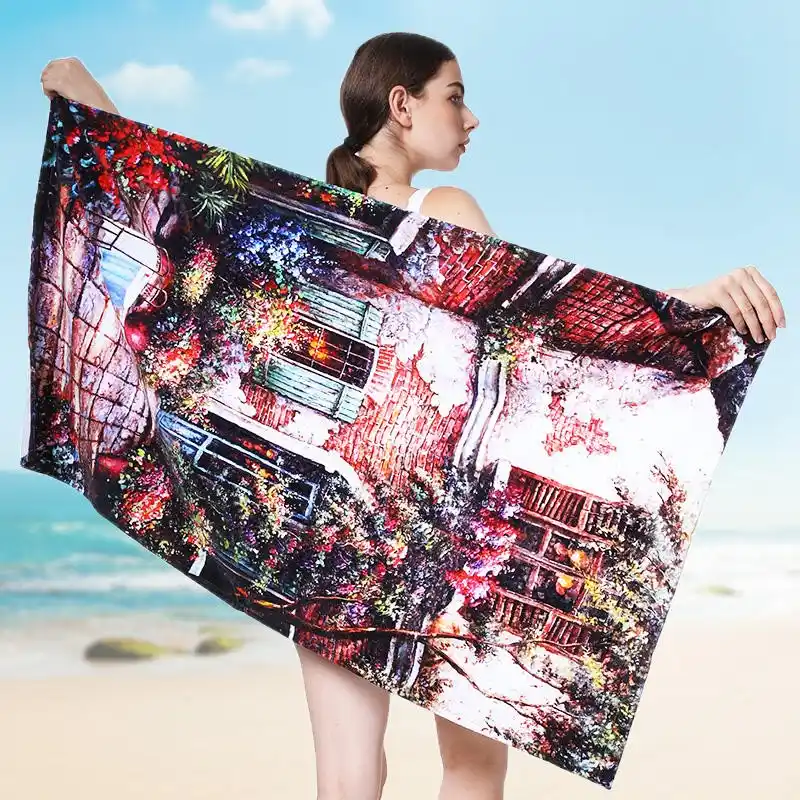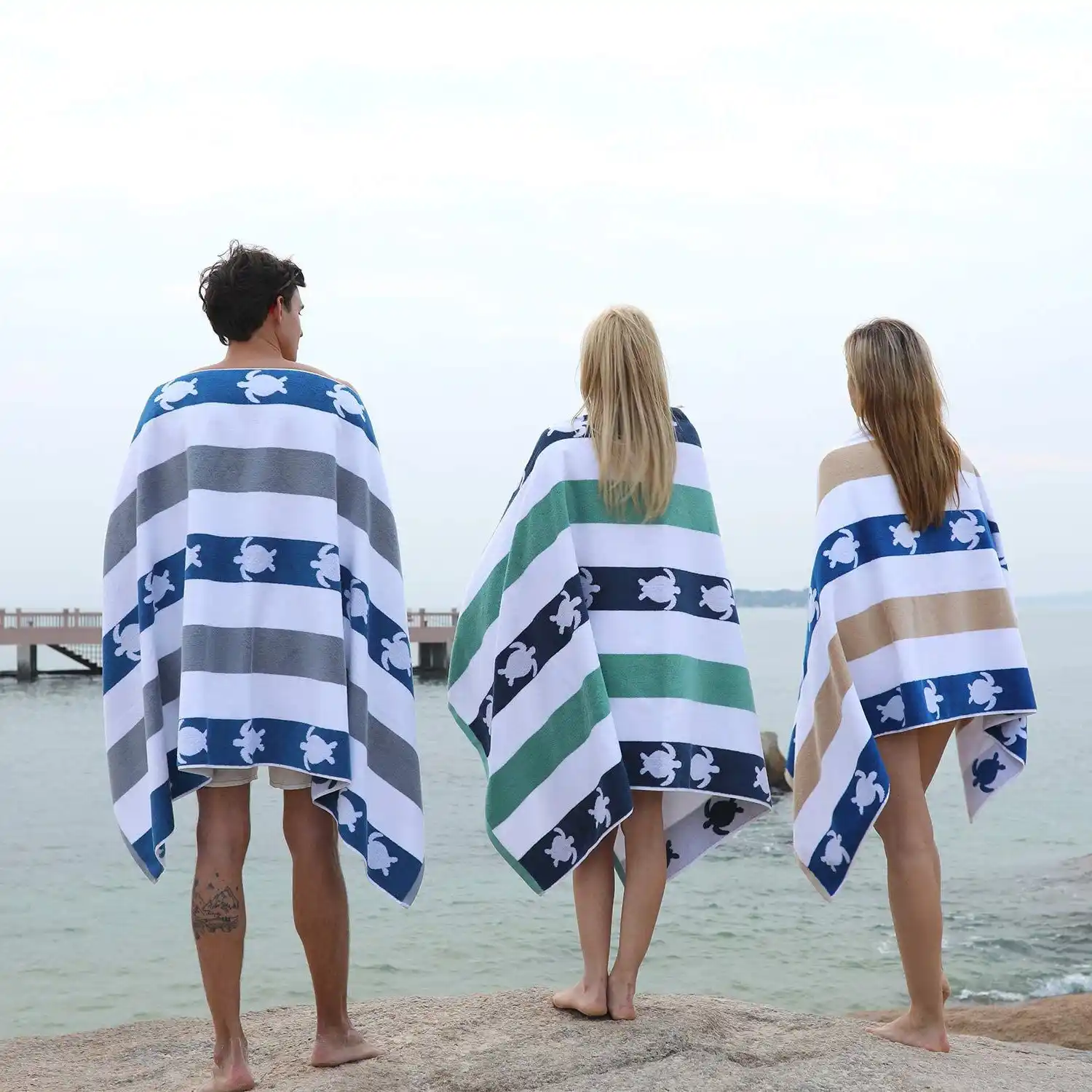


Build trustworthy towel collections for the US, Europe (UK/Germany/France), and Australia—supported by certified material options, QC checkpoints, and packaging-ready delivery.
1 million plastic drinking bottles are purchased around the world every minute.
After accounting for processing losses, only about 9% of plastic waste is recycled globally.
Plastic bottles can take up to 450 years to decompose if they become litter.
Sustainability should be practical, measurable, and buyer-ready. That’s why we focus on material options like recycled RPET, consistent quality control, and the paperwork sourcing teams need—so your private label beach towel program can reduce reliance on virgin materials while meeting your market expectations.
Selected styles are made with recycled PET (rPET) yarn—giving discarded bottles a durable, long-lasting second life in beach towel fabric.
Plastic bottles are collected from recycling facilities.
Labels and caps are stripped & removed.
Bottles are washed thoroughly.
They’re shredded into clean PET flakes.
Flakes are melted down and filtered.
Fibers are extruded and spun into yarn.
Yarn is woven to your requirements.
Towels are printed, cut & sewn.
Reducing plastic waste is just one of many benefits of our materials. Compared to conventional fabrics, our textiles are safer, smarter, and more sustainable.
Using rPET in place of virgin PET may achieve ~60% lower GHG emissions and ~75% lower total energy demand (LCA-based; results vary).
Where applicable, digital textile printing can use significantly less water than conventional processes.
Certified options on request (e.g., OEKO-TEX® STANDARD 100, GRS) to support buyer approvals.
Recyclable / reduced-plastic packaging options to match retail, gifting, or fulfillment needs.
Sampling helps prevent bulk waste; factory samples or development pieces may be available when in stock.
For microfiber styles, we provide care guidance to help reduce microfiber release during washing.
Short-run pilot lots to validate specs, artwork, and packing before scaling.
GRS options can verify recycled content with chain-of-custody traceability.
Consolidated sourcing and logistics coordination to reduce unnecessary handling and improve execution consistency.
When timelines allow, sea freight has far lower CO₂ per tonne-km than air freight.
We continuously review materials, packaging, and QC checkpoints to strengthen sustainability outcomes over time.
Whether you need recycled rPET, organic cotton, or OEKO-TEX® STANDARD 100 options, we’ll recommend a material route that fits your market and provide documentation where applicable—so your claims and approvals are buyer-ready.

Cotton · Microfiber · Bamboo/Eco · Recycled RPET — From sampling to shipment, we focus on stable delivery times and reproducible quality.