Why Sand-Free Towels Keep Growing: Buyer Behavior and Use Cases
Sand-free towels aren’t a fad—they’re a logistics upgrade hiding inside a “beach” product. Here’s what buyers actually want, what manufacturers actually ship, and why the category keeps compounding.
Three forces. Travel volume, ecommerce habits, and the cold reality that terry-loop cotton is a sand magnet—together they push shoppers toward flat-surface microfiber and “suede” weaves that shed grit fast, pack small, photograph clean, and survive repeated rinses without feeling like a soggy brick in a tote bag. And who wants to carry a wet brick?
I’m going to say the quiet part out loud: most “sand-proof towel” marketing is just a nicer name for “less mechanical grip.” Not magic. Not science fiction. Mostly surface geometry.
The category is growing because it solves a messy micro-problem that people feel immediately: sand in the car, sand in the hotel room, sand in the zipper of your carry-on, sand in your kid’s snacks (I hate that one). The product is a small upgrade with a big emotional payoff, and those win online.
Table of Contents
The demand isn’t “beach.” It’s mobility.
Look at the macro signals. In 2023, TSA screened 858+ million passengers, which is a blunt indicator of just how many people are moving through airports and living out of bags more often. That’s a lot of “pack light” behavior bleeding into what people buy for the beach. According to TSA’s 2023 Year in Review, that record screening year normalized lightweight gear as default thinking.
Then there’s outdoor participation as an economic machine, not a vibe. The Bureau of Economic Analysis put 2023 outdoor recreation value added at $639.5B (2.3% of U.S. GDP)—big enough that “outdoor + travel adjacent” products keep getting incremental attention, new SKUs, and shelf space. See the BEA Outdoor Recreation Satellite Account release.
And ecommerce keeps feeding the loop. In the U.S., 2024 ecommerce sales were estimated at $1,192.6B, up 8.1% from 2023, with ecommerce at 16.1% of total retail sales in 2024 (15.3% in 2023). That matters because sand-free towels are a classic online “problem/solution” purchase. It’s impulse-friendly, review-driven, and easy to ship. Source: U.S. Census Bureau retail e-commerce release (Q4 2024).
So yeah—this isn’t just “people go to beaches.” It’s: people move more, shop more online, and hate dealing with sand more.
What buyers actually do (not what they say)
Buyers claim they want “the best sand free beach towel.” What they buy is a bundle of shortcuts:
But here’s the pattern I see again and again in listings and procurement specs.
They want:
Fast dry (because nobody wants a mildew-scented towel on day two)
Repeat wash stability (no pilling, no weird stiffness, no dye bleed)
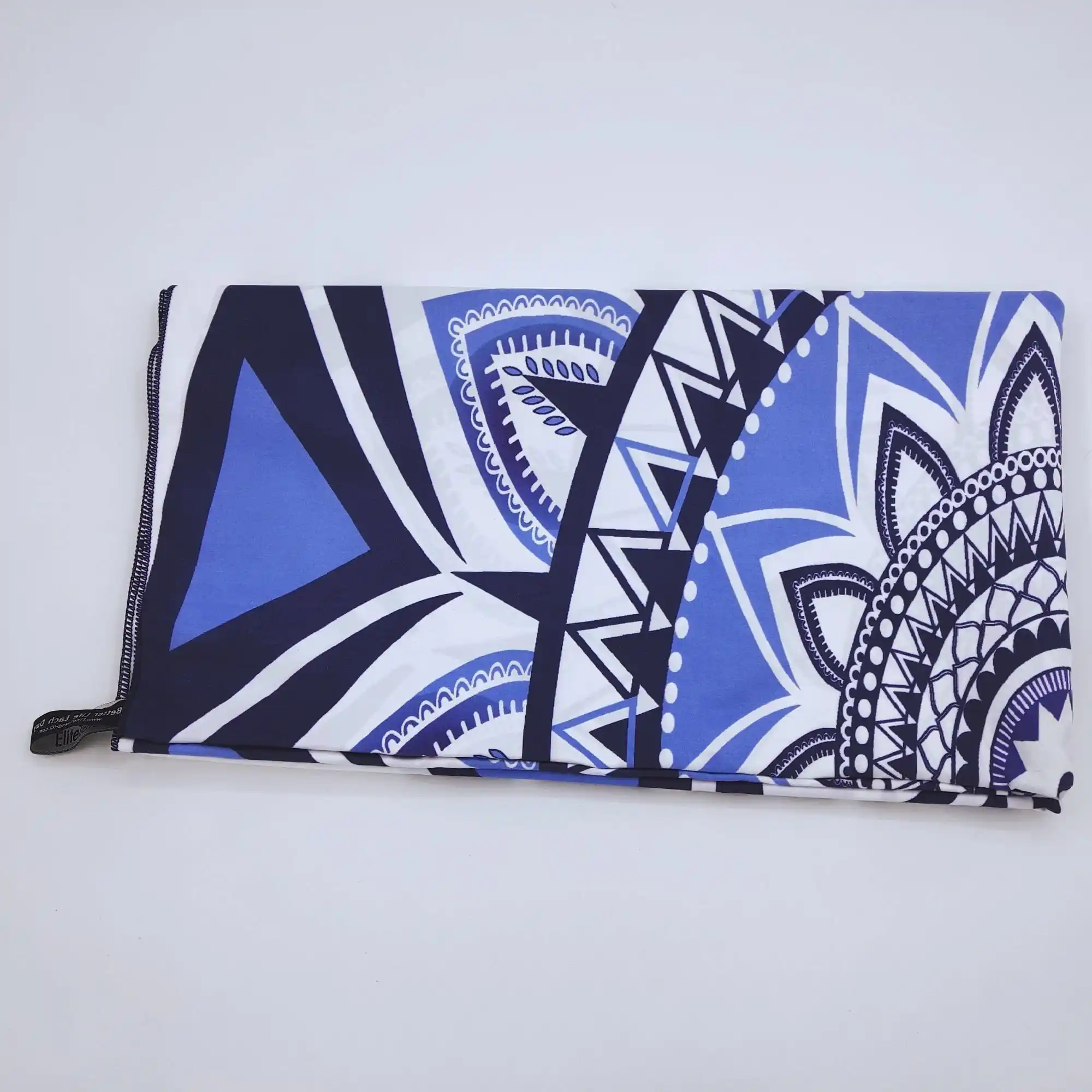
A microfiber beach towel (especially microfiber suede) checks those boxes more often than looped terry cotton. The “sand resistant beach towel” label is basically a proxy for flat surface + low loop height + smooth face.
Hard truth: a towel can be “sand free” and still be lousy. If the stitching fails, if the print cracks, if the hand-feel turns plasticky after 10 washes, buyers revolt. Online returns are a tax you pay forever.
That’s why product pages that are brutally specific do well—size, GSM, print method, edge finish, and wash instructions. If you’re building content on this topic, don’t romanticize. Spec it.
The physics (simple, but buyers don’t think in physics)
Short sentence: Loops grab sand. Long sentence: Terry cotton has looped piles that mechanically trap grains, while microfiber suede and flat weaves reduce “catch points,” so sand doesn’t wedge as easily, which is why a quick shake works—especially when the towel face is brushed/suede and the GSM is tuned for firmness without being thick. So why do brands keep pretending it’s secret tech?
Here’s where the “how do sand-free beach towels work” query comes from: people want a reason to believe. Give them one. But don’t lie.
What does change results:
Surface finish: suede/peach finish releases grit better than loop piles
Weave tightness: tighter face = less lodging space
GSM (grams per square meter): too low feels flimsy; too high packs poorly
Edge construction: cheap edges curl, fray, and trap sand in seams
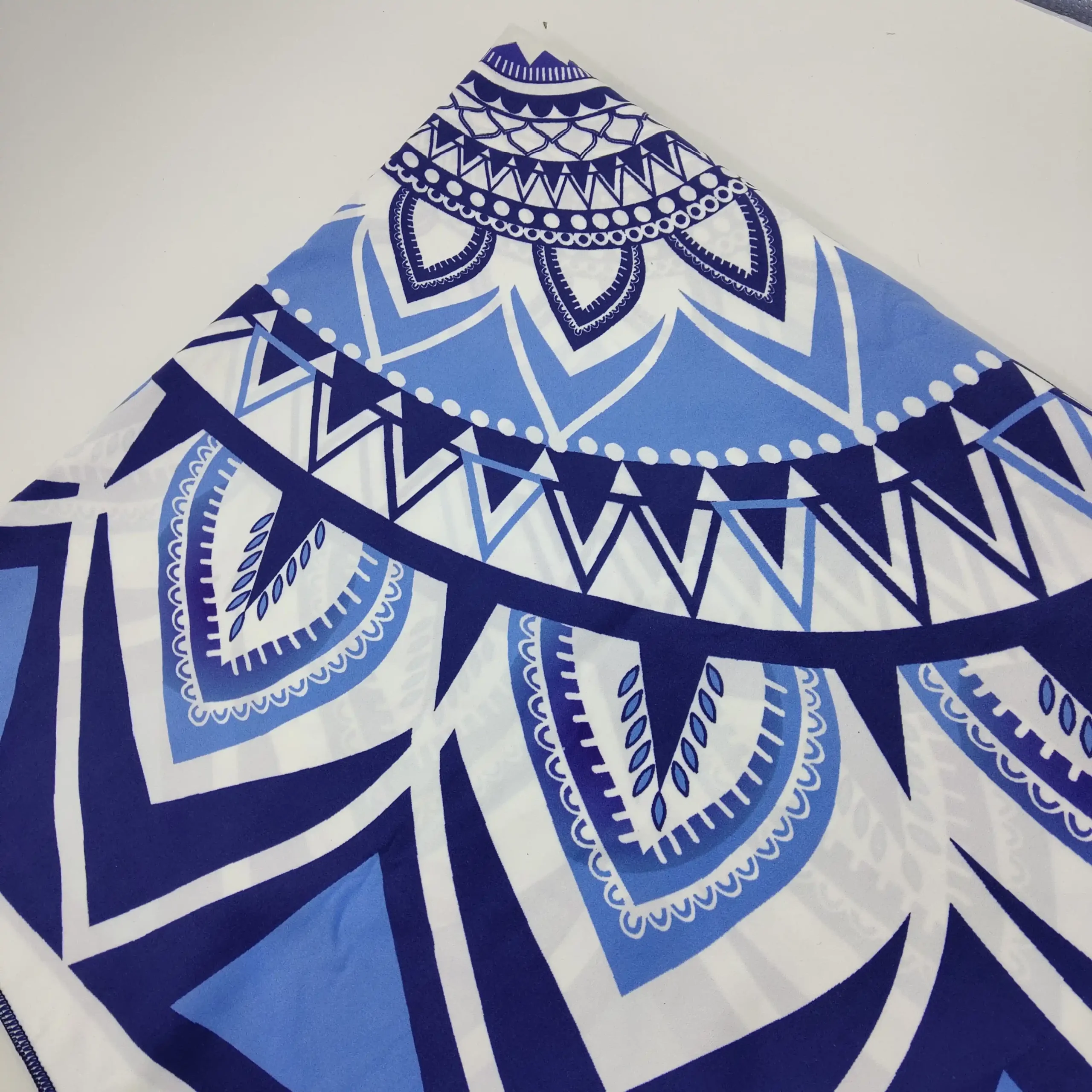
Print method: sublimation on microfiber tends to stay photo-clean if done right
If you’re building for travel-minded buyers, tie it to “packability” with an internal path like travel & souvenir towel programs and the broader supply chain reality of OEM & ODM services (sampling, approvals, lead times).
Use cases where sand-free wins (and where it doesn’t)
Where it crushes:
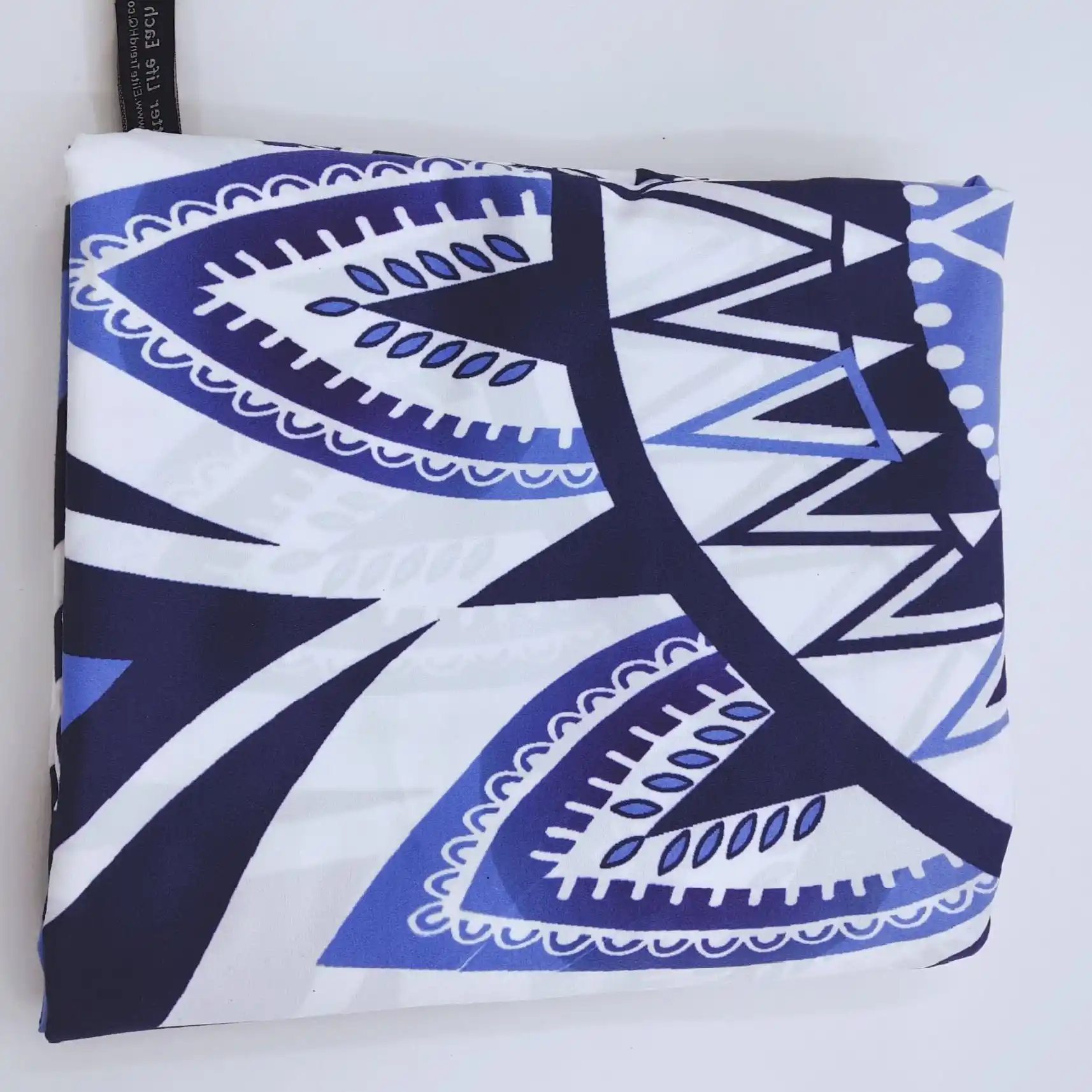
Air travel + beach: light, dries overnight, doesn’t contaminate luggage
Cruises: day excursions, pool decks, quick reset
Festivals: sits clean, shakes off dirt, becomes a banner/flag/blanket
Resorts & beach clubs: branding looks sharp on a smooth face; guests steal it (that’s the point)
Corporate giveaways: perceived value is high if the print is crisp and the towel isn’t thin
Where cotton still dominates:
High-absorbency, plush feel: cotton terry is emotionally comforting and genuinely absorbent
This is why a sane assortment strategy isn’t “microfiber vs cotton.” It’s “match the buyer’s friction point.” If the friction point is sand + travel, microfiber. If it’s spa plushness, cotton.
And if you’re selling B2B, packaging and labeling become their own buyer behavior. People want the “unboxing” to justify the price, which is why custom packaging options show up in deal conversations earlier than you’d expect.
The environmental and legal undercurrent buyers feel but don’t articulate
Here’s what’s sneaking into procurement language: microplastics anxiety and chemical compliance.
In the EU, Commission Regulation (EU) 2023/2055 targets synthetic polymer microparticles intentionally added to products under REACH—this isn’t a direct ban on textile fibers, but it’s a signal of regulatory momentum and a procurement headache for brands that sprinkle “microbeads,” glitter, or polymer additives into finishes. Read the legal text on EUR-Lex.
So brands start asking for proof points: OEKO-TEX®, GRS, GOTS, traceability, and documentation. That’s not virtue-signaling; it’s risk management. If your internal linking is serious, you don’t bury that—route readers toward sustainability and certifications when you mention materials like recycled RPET or “eco.”
A sand-free beach towel is typically a flat-weave or microfiber-suede towel whose low-loop surface and filament geometry reduce sand’s mechanical grip, so grains fall off with a shake instead of lodging between terry loops; it’s “sand-release,” not “sand-immunity,” and performance depends on weave, brushing, and GSM. The short version: sand sticks less because there’s less for it to grab. The honest version: edge seams, stitching, and poor finishing can still trap grit, so “sand proof towel” is usually marketing, not a guarantee.
Are sand-free towels basically microfiber towels?
Sand-free towels are usually microfiber towels (often polyester or polyester/polyamide) with a smooth, low-pile face designed to minimize sand lodging, but some flat-woven cotton or blend constructions can also reduce sand retention—microfiber just dominates because it dries faster, packs smaller, and prints cleaner at lower GSM. If you want the most consistent “shake-off” behavior, microfiber suede is the common pick. If you want plush absorbency, cotton wins but carries sand.
What GSM should I choose for a sand resistant beach towel?
The best GSM for a sand resistant beach towel is commonly 180–250 GSM for microfiber suede because it balances firmness (so it doesn’t feel like a napkin) with packability and quick drying, while higher GSM can improve hand-feel but adds bulk and slows drying—especially when the towel stays damp in a bag. For travel, I’d bias to the lower end. For resort retail, go slightly higher for perceived value.
What’s the best sand free beach towel for travel?
The best sand free beach towel for travel is typically a microfiber suede or tight flat-weave towel in the 180–250 GSM range because it dries quickly, folds small, and shakes clean, making it compatible with carry-ons, cruise day bags, and repeated wash cycles; oversized cotton terry feels nice but punishes you on weight and drying time. Look for: tight stitching, non-curl edges, and clear wash instructions. Bonus if it’s sized for a standard carry-on packing cube.
Do sand-proof towels shed microplastics or face regulation risk?
Sand-proof towels made from microfiber can shed microfibers over time like many synthetic textiles, and while the EU’s Commission Regulation (EU) 2023/2055 targets microplastics intentionally added to products rather than textile fibers, it signals rising scrutiny that pushes brands toward better documentation, certifications, and claims discipline—especially in EU-facing programs. Translation: don’t overpromise, and don’t treat compliance as an afterthought. If you sell into the EU, your claims and paperwork matter.
How do I wash a microfiber sand free travel towel so it keeps working?
Washing a microfiber sand free travel towel means rinsing out sand first, then laundering on a gentle cycle with mild detergent, avoiding fabric softener (which can coat fibers and reduce performance), and air drying or low-heat drying to preserve the smooth face that helps sand release; harsh heat and softeners tend to degrade feel over time. Also: wash it with other microfiber items, not lint-heavy cotton. You want the face to stay clean and smooth.
Conclusion
If you’re building a line (or fixing one that’s getting returns), stop arguing about buzzwords and start locking specs: size, GSM, face finish, print method, edge construction, packaging, and compliance docs. Browse the microfiber beach towel catalog, check the exact “sand-free” format on the microfiber suede sand-free towel, and then route your program through OEM & ODM services with packaging planned up front via custom packaging options.