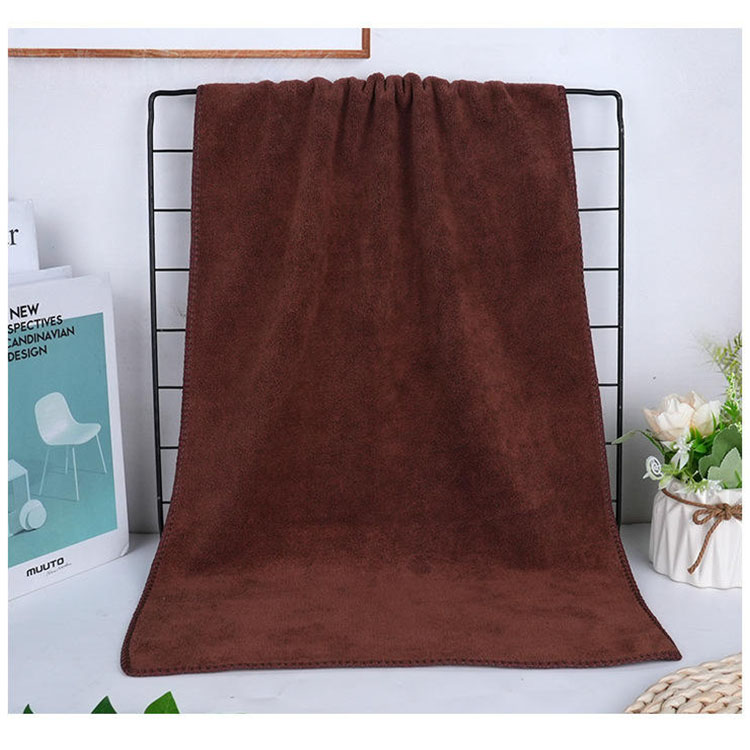
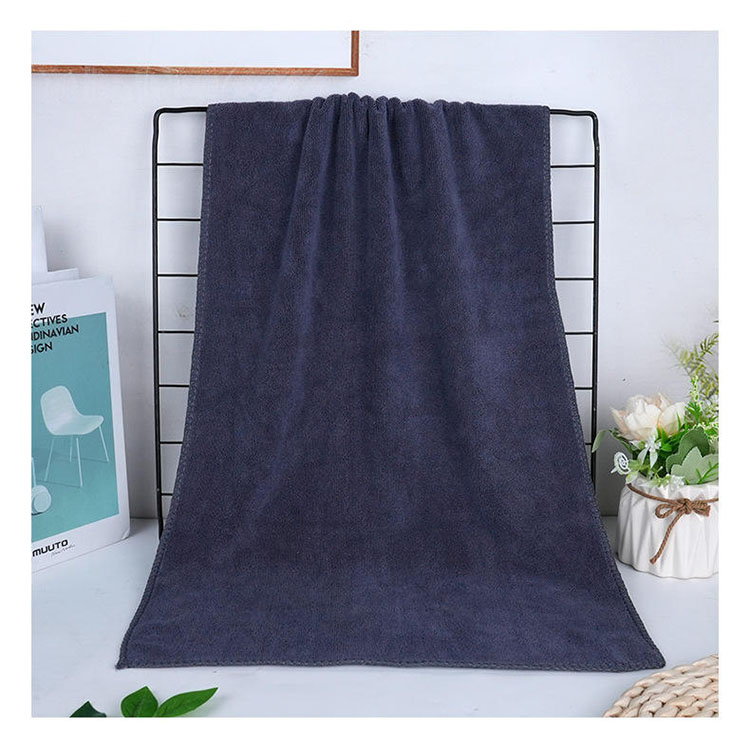
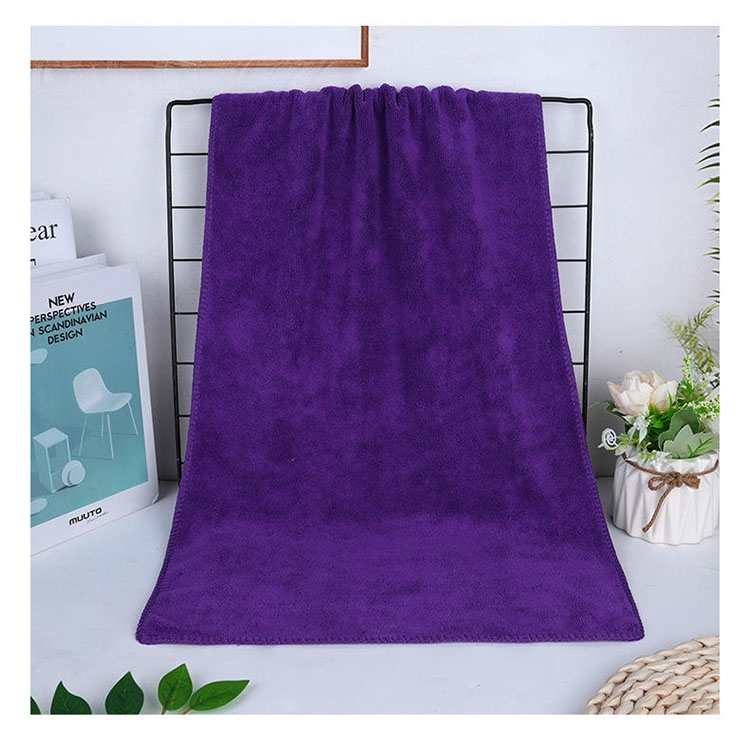
Double-Sided Towels: Design Options, Costs & When Buyers Choose Them
Most buyers do not choose double-sided towels because they are pretty. They choose them when one SKU has to do two jobs at once: merch harder, photograph better, and still survive freight math, labeling rules, and shelf reality.
Two sides sell. I’ve seen too many sourcing decks pretend this category is about aesthetics alone, when the real drivers are margin protection, shelf impact, print visibility, and the ugly operational truth that one towel often has to satisfy retail, gifting, and photo-ready branding at the same time. Why do buyers keep acting like that second face is just decoration?
The market is not sleepy, either. According to PPAI’s 2024 U.S. distributor sales report, the promotional products business reached $26.78 billion in 2024, online sales accounted for 25.5% of revenue, and sustainable products hit $3.69 billion, which tells me branded soft goods are being judged not only on feel, but on channel fit, claim discipline, and how easily they move through digital merchandising. That matters for double-sided towels because they are, frankly, a merchandising weapon when specified well.
And here’s the hard truth: most buyers do not need “more towel.” They need more output from the same SKU.
Table of Contents
The version buyers actually want is not always the version they ask for
Three words first. Buyers are imprecise. They say “reversible towels,” “double-sided printed towel,” or “personalized beach towels” as if those mean the same thing, but the construction, print method, handfeel, and compliance burden can be completely different once a factory starts quoting. So what are they actually buying?
What I like about the site architecture at Custom Towels Beach is that it quietly reveals how serious buyers think: products are grouped by material, craft/style, usage/application, market tier, and packaging, which is far more useful than the usual fluffy catalog taxonomy because cost and failure risk usually hide inside those exact buckets. That is why a reader moving from printed beach towels to the cotton vs microfiber vs recycled RPET buyer guide to the OEM & ODM services page is following the same path a sourcing manager follows when the mood board stops being useful.
The design routes that actually justify double-sided towels
Reversible cotton is the premium play most buyers imagine
This one feels familiar. A double-sided cotton beach towel with custom pattern works when the buyer wants perceived value, heavier drape, and a product that looks expensive on a lounger, in a resort cabana, or on a retail table; that is cotton doing what cotton usually does best, namely signaling comfort and substance before the customer even touches it. Cotton, chemically speaking, is cellulose, written as ((C_6H_{10}O_5)_n), and buyers still trust that story more than they admit in meetings.
I’m blunt about this: if your brand sells aspiration, cotton reversible towels usually beat microfiber on first impression, and pretending otherwise is how cheap-looking merch gets approved.
Double-sided printed microfiber is the freight-smart operator’s choice
This version wins. A double-sided printed beach towel with all-over design or a lightweight microfiber beach towel with custom print is where buyers go when they need vivid artwork, packability, sand resistance, and lower freight pain, especially for events, cruises, travel retail, and giveaway programs where the towel is expected to photograph well and disappear neatly into a tote. PET-based microfiber, or polyethylene terephthalate, is usually the polymer doing the work here. But there is a trade: the handfeel can read less “premium,” and the environmental story gets shaky fast if the marketing team starts waving around vague eco claims.
And yes, that last point matters. The U.S. National Park Service notes that laundering synthetic fabrics is a substantial source of microfiber release, which means a double-sided microfiber towel may still be the right buy, but the copywriting around it had better be tighter than what most brands slap on hangtags.
Private-label double-sided towels are not really about two faces; they are about one stronger SKU
This is where experienced buyers separate themselves from amateurs. Once you add a private label beach towel with custom label and hangtag or build a custom beach towel collection for retail shelves, the second face stops being a decorative trick and starts acting like a retail efficiency tool: one side carries the hero pattern, the other side softens the palette, carries secondary branding, or gives the buyer visual variation without committing to a second full SKU. That is smart. That is also where packaging, fold presentation, barcode logic, and spec discipline suddenly matter more than the artwork file everybody keeps obsessing over.
What double-sided towels really cost when the quote gets serious
Let’s be honest. Public price cards are missing because this category is quote-driven, and that usually means size, GSM, material, print route, packaging, and order volume are doing the pricing, not some neat web-store MSRP. The Custom Towels Beach site itself pushes inquiry-led quoting around size, GSM, quantity, material, certificates, and repeat-order cadence, which is the right move for manufacturing but not very helpful for buyers trying to build a budget before they talk to sales.
So here is the version I use when pressure-testing supplier quotes: working factory-side bands for a roughly 1,000-piece order, plain export packing, no insane embellishment, and normal proofing. These are not published site prices. They are my decision bands.
Build type
Typical spec
My working factory-side band
What pushes it up fast
Where buyers usually approve it
Double-sided microfiber towel
70×140 cm, 200–250 GSM, PET microfiber, all-over sublimation front/back
$2.80–$4.40 per piece
color density, custom strap/hang loop, retail wrap, low MOQ
events, cruises, travel retail, promo drops
Double-sided cotton pattern towel
70×140 cm, 400–500 GSM, cotton terry/velour, coordinated front/back artwork
$4.80–$7.50 per piece
heavier GSM, reactive print, tighter color matching, shrink control
custom folding SOP, multi-SKU carton marking, story card inserts
private label shelves, membership kits
Premium woven/jacquard reversible build
450–600 GSM, woven pattern, higher setup burden
$6.50–$10.50 per piece
loom setup, color count, higher defect sensitivity
upscale resort and higher-margin retail
Freight is the knife in the budget, not the afterthought. Reuters reported in June 2025 that Drewry’s World Container Index jumped 41% in a week to $3,527 per 40-foot container and that Shanghai-to-Los Angeles rates hit $5,876 per FEU, which is exactly why a bulky cotton reversible towel and a lighter double-sided microfiber towel can look similar on a unit quote and wildly different once the landed math is done. Reuters’ report on container-rate volatility is the kind of thing buyers ignore until finance starts asking questions.
When buyers choose double-sided towels, and when they absolutely should not
Buyers choose them when one towel has to merchandise twice
That is the real answer. Resort shops choose them when the towel needs to look finished no matter how it is folded; event marketers choose them when brand visibility matters from both sides of a chair or giveaway stack; private-label operators choose them when they want more visual range without the inventory pain of splitting into multiple SKUs. If you are building around retail & private label towel programs or promotional & corporate gift towels, the case for a second face can be strong because the towel is not just being used, it is being displayed, photographed, gifted, and judged as merchandise.
Buyers back away when target pricing is delusional
I’ll say it plainly: if the brief says “premium feel, full-bleed art on both sides, custom packaging, and keep it cheap,” the brief is bad. A double-sided towel should not be the default answer for mass giveaways where the real cap is under a tight landed budget, lead time is compressed, and nobody will care what the reverse looks like after the first use. That is when a simpler single-face print, or even a lighter spec entirely, usually wins.
Buyers need to get serious about labels and claims
Law matters here. The FTC’s labeling guidance under the Textile and Wool Acts says most textile products need labels stating fiber content, country of origin, and the responsible company, and that becomes more sensitive, not less, when a buyer is juggling cotton, microfiber, recycled claims, and private-label packaging. On top of that, Reuters reported in May 2024 that 19% of 822 tested products sampled from U.S. and global retailers showed traces of Xinjiang cotton, and 57% of the positives carried U.S.-only origin labels; a week later Reuters reported that the U.S. barred imports from 26 Chinese cotton traders or warehouse facilities under forced-labor enforcement. Those are not edge-case stories. They are a warning label for any brand buying cotton and assuming paperwork equals proof.
And I would go one step further. If you are selling recycled-content towels, stop writing lazy “green” copy unless you can back it up. The FTC’s Green Guides exist for a reason, and Reuters reported in April 2025 that Clorox Australia was fined A$8.25 million, about $5.2 million, over false recycled-plastic claims. Wrong category, same lesson: unsupported sustainability language can get expensive.
FAQs
What are double-sided towels?
Double-sided towels are towels built to present two usable faces—through reversible construction, front-and-back printing, or differentiated surface treatments—so a buyer gets more visual output, more branding flexibility, and often better merchandising value from one SKU than a standard single-face towel can deliver. In plain English, they are chosen when one product has to do two jobs: perform in use and look good in display. That is why they keep showing up in resort, gifting, and private-label programs.
Are reversible towels the same as a double-sided printed towel?
Reversible towels are towels designed so each side works as an intentional face, while a double-sided printed towel is a more specific version where both faces carry printed artwork; the overlap is real, but the sourcing, print method, and cost profile can differ a lot depending on whether the base is cotton terry, velour, microfiber, or jacquard. I would not use the terms interchangeably on a PO. Factories notice, and that is where quote drift starts.
How much do custom beach towels cost in bulk?
Bulk custom beach towels usually price according to material, GSM, size, print method, packaging, and quantity, with lightweight double-sided microfiber often starting lower than cotton reversible builds, while retail-ready or heavier premium constructions rise quickly once labels, folds, hangtags, and stricter QC enter the program. That is why “how much do custom beach towels cost” never has one honest answer. The useful answer is always tied to a spec sheet.
When is a double-sided microfiber towel the better buy than cotton?
A double-sided microfiber towel is the better buy when the program prioritizes freight efficiency, fast drying, compact packing, vivid edge-to-edge graphics, and lower unit economics over heavy drape and traditional terry handfeel, especially for travel, event, cruise, and high-rotation promotional use. I like microfiber when the operation needs speed and print punch. I like cotton when the brand needs tactile credibility.
Do personalized beach towels need extra compliance attention?
Personalized beach towels need the same baseline textile labeling discipline as non-personalized towels, but the risk rises once buyers add fiber claims, recycled-content language, origin language, private-label packaging, or custom hangtags, because every added claim becomes another place where marketing can outrun documentation. That is why I trust boring paperwork more than pretty mockups. The towel rarely creates the liability; the claim does.
Your next move
Start narrower. Pick one hero construction, one backup construction, and one non-negotiable spec sheet before you ask for quotes.